
Gated Community Security: How to Improve Protection

Updated: Apr 25

A gated entrance feels secure. But one car slips in behind a resident. One shared access code. One camera that isn’t being watched. That’s all it takes for a breach.
Many communities believe the gate itself is the protection. In reality, a gate without proper oversight creates a false sense of security.
Strong gated community security depends on trained guards, controlled entry procedures, active camera monitoring, and clear emergency response plans working together.
When those layers are missing, small gaps turn into real risks.
Bellator Defense works with private communities every day to build structured protection systems that hold up under pressure. This guide explains how to strengthen gated community security with practical steps that HOAs, property managers, and residents can understand and apply.
Why Gates Alone Don’t Work

A gate creates a barrier, but it does not guarantee control.
Breakdowns happen every day:
Gates fail during storms or power outages
Access codes get shared with contractors or delivery drivers
Vehicles tailgate through during busy hours
Cameras go unmonitored or miss blind spots
These gaps weaken protection quickly.
Research shows gated communities can reduce burglary risk by slowing entry. But those benefits depend on enforcement. When monitoring is weak or policies are loose, crime can still occur inside the perimeter.
A gate controls one entry point. It does not monitor behavior inside the neighborhood. It does not verify every visitor. It does not respond to suspicious activity.
To strengthen gated community security, communities must move beyond barriers and build layered protection. Below are practical steps to improve entry control, patrol coverage, visitor verification, and monitoring systems.
1. Strengthen Your Entry Points

Entry points are where control begins. Every vehicle and person entering the community passes through this checkpoint. If screening is weak at the gate, unauthorized access becomes easier and harder to track once inside.
A strong entry process does three things. It deters casual intrusion, it verifies who belongs on the property, and it creates a record of who entered and when. Without those safeguards, tailgating, shared access codes, and unverified visitors become routine.
Install license plate recognition (LPR) or vehicle logging systems to track all entries
Use RFID or secure access systems for residents
Require verified visitor passes or temporary codes
Rotate codes and deactivate lost credentials quickly
Staff gates during peak hours and review entry logs
2. Use Guard Patrols Right
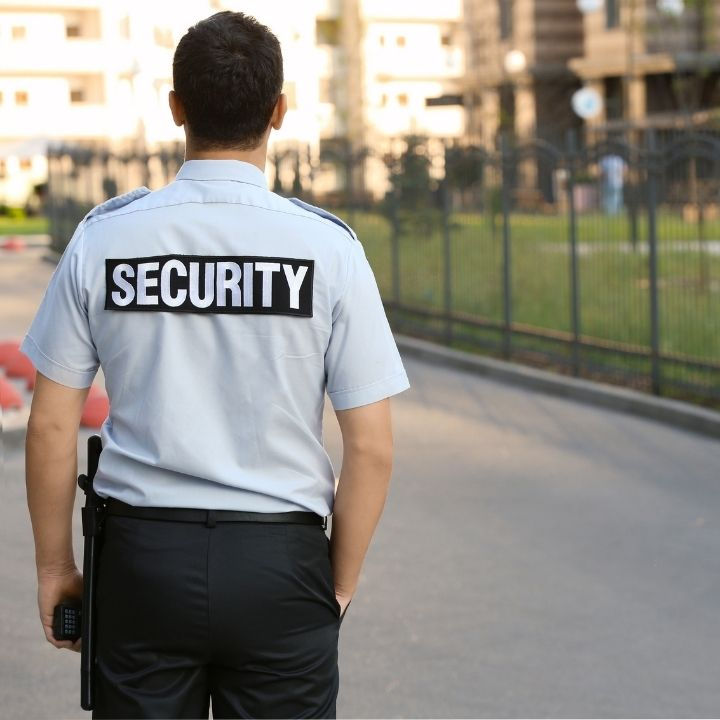
Guard patrols support gated community security inside the property. Entry control manages who comes in. Patrols monitor what happens after.
Foot patrols check parking areas, clubhouses, and darker spots. Vehicle patrols cover perimeters and longer streets. Random routes reduce predictability. Camera alerts and LPR systems can guide guards toward unusual activity instead of routine loops.
To improve patrol coverage:
Maintain consistent shifts, especially during higher-risk hours
Link patrol activity with camera alerts
Train guards on local crime patterns
Review patrol logs and adjust routes regularly
Patrols add visibility and response inside the community. Without them, gates alone are not enough.
3. Check Visitors Every Time

Visitor access creates risk if verification is inconsistent. Contractors, delivery drivers, and guests enter daily. Without clear screening, unauthorized access blends into normal traffic.
Guards should follow a simple, repeatable process. Pre-approved lists confirm expected visitors. ID checks verify identity. Temporary badges or time-limited access codes create accountability. LPR systems can log plates and flag restricted vehicles.
Weakness appears when checks are rushed or systems fail.
To tighten visitor control:
Require ID plus direct resident confirmation
Use single-use or expiring access codes
Log visitor entries and plate numbers
Review logs daily for irregular activity
4. Use Surveillance Cameras Effectively

Research shows surveillance cameras are widely used for crime prevention and are generally linked to reductions in certain types of crime, though their effectiveness varies depending on context and crime type.
But cameras alone do not stop problems. Someone must watch the feed, confirm what is happening, and respond. Guards review alerts, zoom in on activity, and move to the location if needed. Technology helps detect movement. People decide what action to take.
Monitoring weakens when cameras are installed but rarely checked. Blind spots leave gaps. Alerts ignored during busy shifts delay response. Systems that are not maintained or secured can also fail when needed most.
Communities can improve camera oversight by:
Ensuring all key areas are covered without blind spots
Testing cameras and alerts regularly
Training guards to respond immediately to flagged activity
Securing video storage and access controls
Cameras extend visibility. Guards provide judgment and response. When both work together, monitoring becomes active rather than passive.
5. Design a Community Emergency Action Plan

Emergencies test the entire security system. When something serious happens, response time matters.
Guards should have clear procedures for lockdowns, entry control, and communication. If needed, gates can be secured to prevent additional access, while cameras help identify what is happening and where. Clear radio communication allows guards to guide police, fire, or medical teams directly to the right location.
Coordination reduces confusion. When entry points are controlled and information is shared quickly, public responders can act faster. Practicing these procedures improves speed and confidence. Simple drills, such as sealing entrances or directing emergency vehicles, help teams respond without hesitation.
Make All Layers Work as One
Gated community security is strongest when each layer supports the next. Entry control, patrols, surveillance, and emergency planning must work together, not separately.
When systems are coordinated and consistently enforced, risk is reduced, and oversight improves. Security becomes structured instead of reactive.
If your current setup feels unbalanced or incomplete, it may be time to reassess. Contact us today to evaluate your gated community security plan and reinforce the areas that need attention.
Frequently Asked Questions
Does living in a gated community guarantee safety?
Gated community security reduces certain risks, but it does not eliminate crime. Gates slow access, but weak enforcement, shared codes, or poor monitoring can create vulnerabilities. Safety depends on layered protection, active supervision, and consistent enforcement across entry control, patrols, and surveillance systems.
Are gated communities safer than non-gated neighborhoods?
Gated communities can reduce burglary risk by limiting direct access. However, effectiveness depends on enforcement and monitoring. Communities with structured entry control, guard patrols, and active surveillance typically perform better than those relying on gates alone. Design and management matter more than the physical barrier itself.
What is the biggest weakness in gated community security?
The most common weakness is inconsistent access control. Tailgating, shared entry codes, unverified visitors, and unmonitored cameras create gaps. When procedures are not enforced daily, small lapses become routine. Strong gated community security depends on discipline, supervision, and regular review of logs and systems.
Do gated communities need security guards?
While not legally required, trained guards significantly strengthen gated community security. Guards verify access, deter suspicious activity, respond to incidents, and coordinate with emergency services. Technology alone cannot replace human judgment and on-site response. A combined guard and surveillance approach provides stronger oversight.
How can HOAs improve gated community security?
HOAs can improve gated community security by tightening entry procedures, rotating access codes, reviewing visitor logs, increasing patrol visibility, and testing surveillance systems regularly. Clear emergency response planning and resident education also reduce risk. Security improves when policies are documented and consistently enforced across the community.


Comments